| | In this issue: - You're Invited! 2026 Annual Meeting
- What Do the Persimmons Say?
- New Office, New Look
- When it comes to De-Icing, Less is More
- Do Trees Get Thirsty in the Winter?
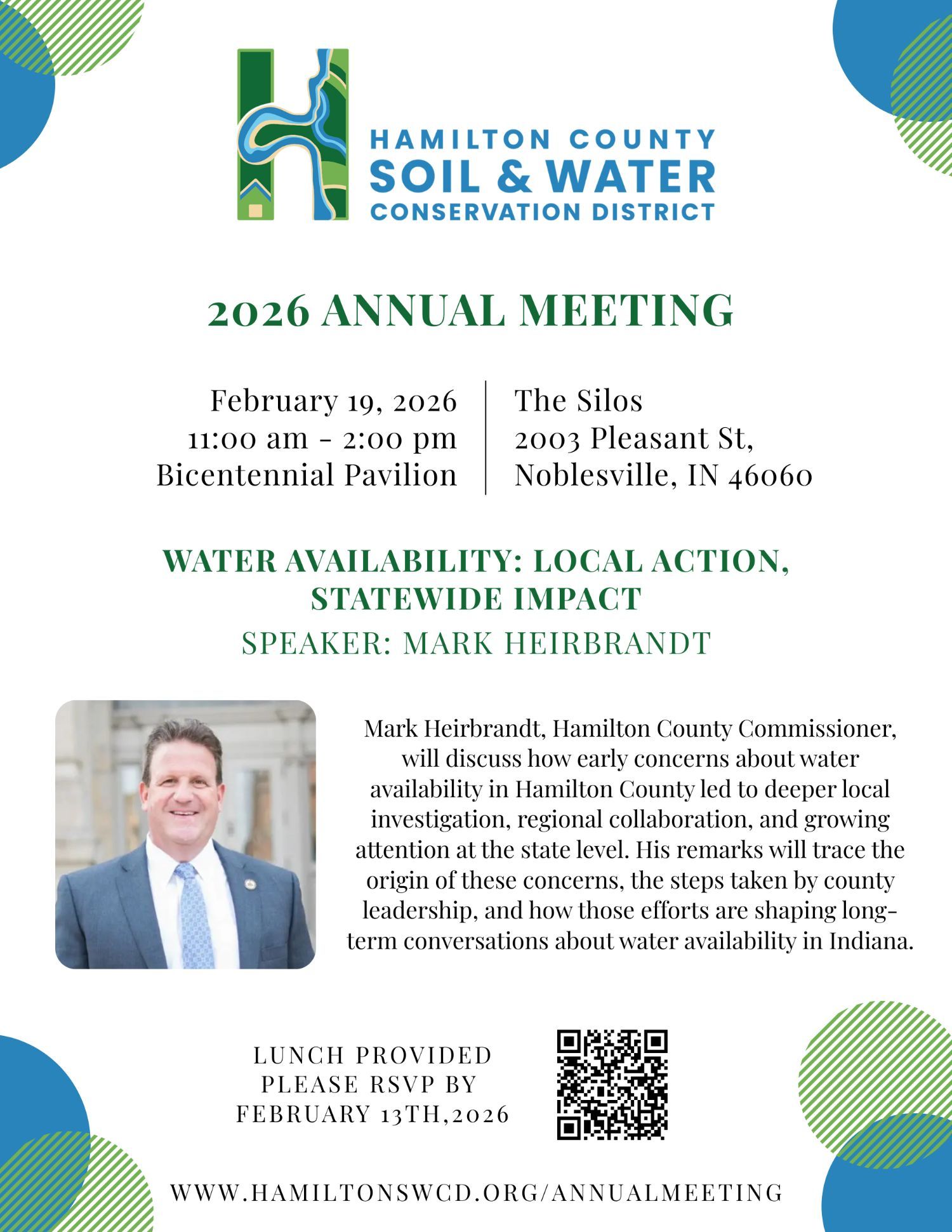
- Mark Heirbrandt to Speak at SWCD Annual Meeting
- Water Availability in Hamilton County
- Nature Conservancy in Partnership with Hamilton SWCD Awarded Grant
| | | | Upcoming Events: - Annual Meeting February 19, 2026
Learn more here. - Spring Strike Team Workdays
Learn more here. - Spring Weed Wrangles
Learn more here. - Board Meetings
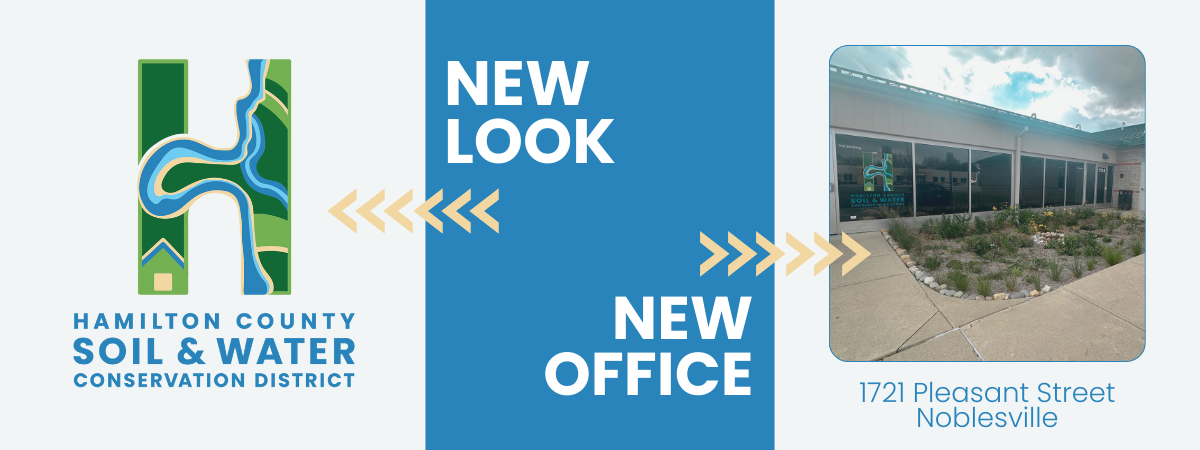
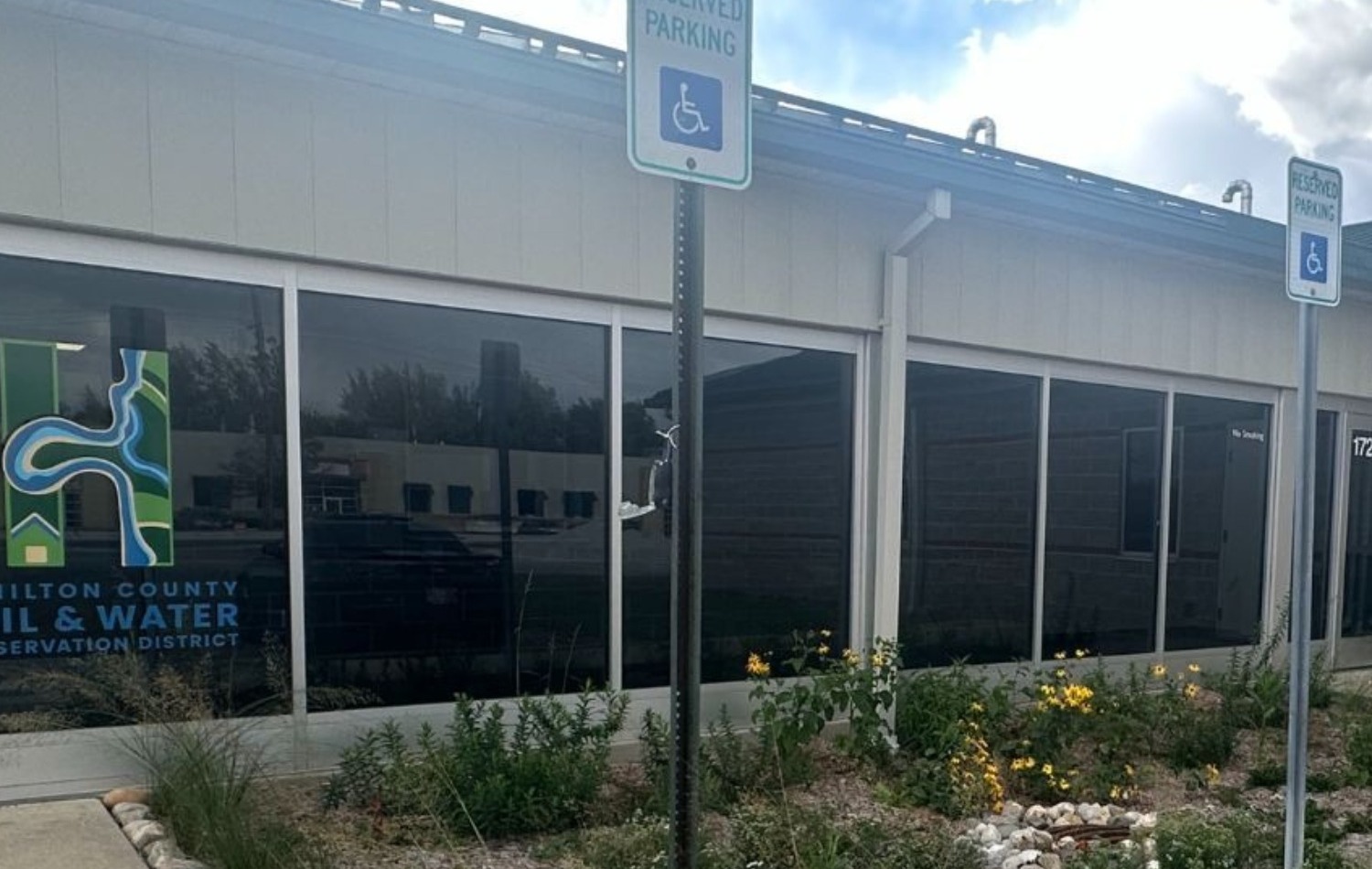
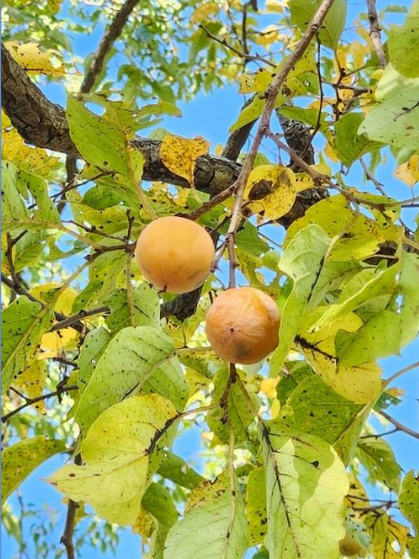
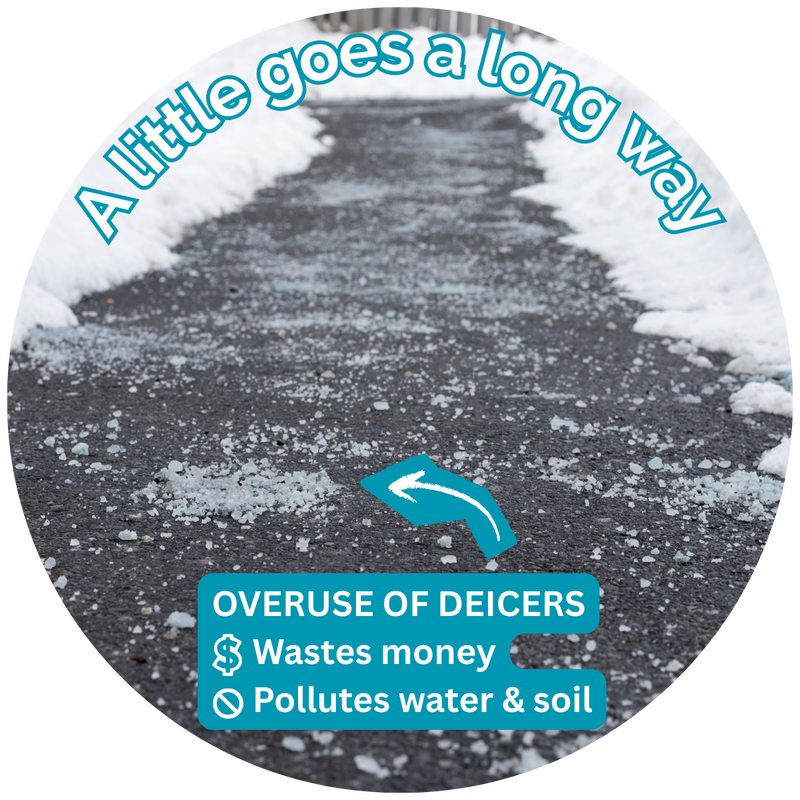
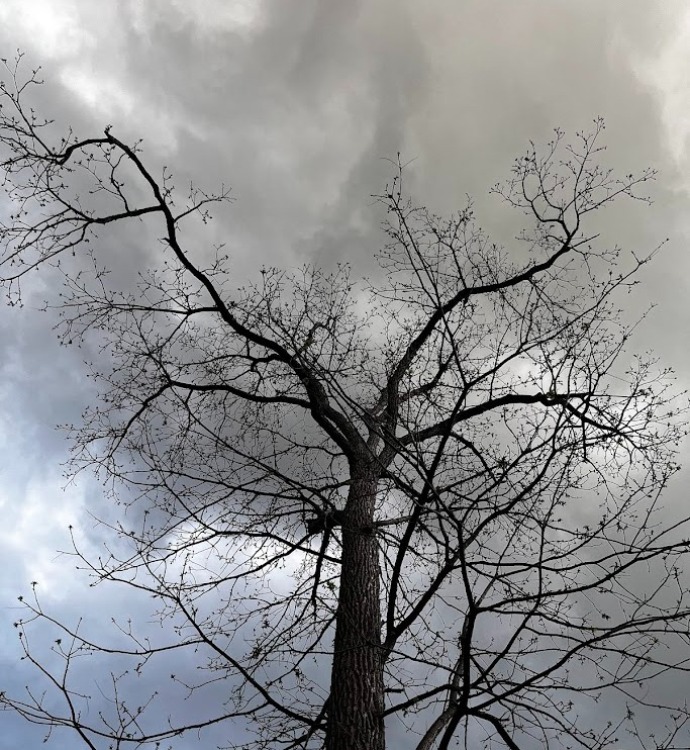
Learn more here. | | | | | | New Look, New Office New year, new look, and a new office! We’re excited to welcome the community into our new space as we launch an updated brand that reflects the growth of conservation work happening across Hamilton County. Our new office is designed to be more accessible, welcoming, and community-focused—stop in and see how we’re working together to protect water, soil, and local landscapes. You can now find us at 1721 Pleasant Street in Noblesville—just across the parking lot from our former office. You’ll recognize the location as the old Humane Society and Spay and Neuter Clinic, but you won’t recognize a thing once you step inside. The building has been fully remodeled to help us serve YOU better. Please stop by to see us, chat conservation, get a tour, or drop off a soil or water test! Look out for a save the date for our spring open house soon! | | | | What Do the Persimmons say? That’s a good question, and it depends on which ones you “ask”, and how well you “listen”. What are we talking about? Midwesterners have looked to signs in nature for generations to predict seasonal weather. With persimmons, they have cut open the seeds and examined the shapes inside (called cotyledons), to predict the type of winter they are going to have. Those cotyledons will typically fit one of three different shapes. A “fork” (indicating a milder winter), a “spoon” (indicating a snowy winter), or a “knife” (indicating a bitter cold winter). Persimmon trees are a native tree of Indiana, and a favorite of local folks the further south you go in the state, it seems. In fact, one small town in Lawrence County holds a “Persimmon Festival” each year and has done so for decades. The idea is to gather local persimmon fruits in the fall, preferably after they have ripened and fallen to the ground. The persimmons I gathered for this experiment came from right here in central Hamilton County. I picked up persimmon fruit from 12 different trees on the same property, and then took one seed from each of those fruits. I washed the pulp off and dried the seeds, and then very carefully, used a sharp knife to split each one across the thin edge. What I found was a mixture of the three shapes, assuming I read them (listened) correctly... | | | | | | When it Comes to De-Icing, Less Is More Winter is here, and with it comes icy sidewalks and driveways. Before you reach for the salt bag, remember — a little goes a long way. Using more salt doesn’t make ice melt faster; it simply increases chloride-heavy runoff that harms your soil, plants, and local waterways. Once the snow melts, the salt finds its way into lakes, rivers, streams and groundwater, where it can pose a serious threat to freshwater fish and other wildlife. In Hamilton County, that means every extra handful eventually reaches our creeks, ponds, and the White River. Just one teaspoon of road salt can permanently pollute five gallons of water. Excess salt can also build up in your soils-- impacting your grass and planting beds! | | | | | | Do Trees Get Thirsty in the Winter? Do trees and other plants get thirsty in the winter? Well, it depends on the weather conditions, but generally, yes, especially newly planted trees. Older established trees have a more extensive root system and are more resilient to dry winters. Since we recently had a tree sale this past fall, I will concentrate on “new” trees as opposed to older established trees, however even older trees can experience winter drought issues.
Although trees go dormant during winter months, their root systems still need adequate moisture and can suffer from lack of it. Regarding evergreen trees, which keep their needles throughout the winter, watering can be even more important, as they lose moisture through their needles faster than deciduous trees, which lose their leaves in the fall.
So, when should you consider watering?... | | | | | | | | Nature Conservancy, in Partnership with Hamilton SWCD, Awarded Grant The Nature Conservancy in partnership with, among others, the Hamilton County SWCD has acquired grant funds from the National Water Quality Initiative in the form of a Readiness Grant. This grant is based on the upstream waters that flow into Morse Lake from the Big Cicero Creek Watershed in northern Hamilton and Southern Tipton Counties. This grant provides funds for conservation projects that directly affect Morse Lake and its water quality. These conservation projects can range from cover crop programs to vegetative buffers and many projects in between. | | | | Water Availability in Hamilton County Water availability has been a major factor in the development of civilization from the beginning of humanity. We use water for innumerable uses, from survival to industrial cooling. It is no surprise that without water not only would cities and towns be unable to function, but humans also would not be able to survive without hydration. While communities try to entice companies to the area to bolster the local economy, one factor companies look to as a benefit of any proposed development area is water availability. Hamilton County is no stranger to this. In recent years, County leadership has been at the forefront of determining how, when, and where residents use water, as well as how water should be conserved for the future. | | | | | | Thanks for reading! Watch out for our Spring newsletter in April. | | | | | | Hamilton County SWCD
1721 Pleasant St., Unit A | Noblesville, Indiana 46060
3177732181 | [email protected] | | | | | | | | | |